

A diesel engine that suddenly cranks longer, idles rough, or starts burning more fuel is not asking for more guesswork. Knowing how to identify failing diesel injectors lets you find the real fault before a weak injector turns into a no-start, washed cylinder wall, damaged piston, or expensive roadside downtime.
Injectors meter fuel under extreme pressure and deliver it at a precise moment in the combustion cycle. When one starts leaking, sticking, overfueling, underfueling, or returning too much fuel to the tank, the engine will usually give you clues. The key is separating injector symptoms from problems caused by fuel supply, air leaks, turbocharger faults, compression loss, or electrical issues.
Most injector failures begin as a drivability complaint, not a complete breakdown. A truck may still pull a load, start every morning, and show no warning light, but it is no longer running the way it should. Pay attention to changes in starting, idle quality, exhaust, fuel use, and cylinder balance.
Long crank time is one of the most common signs of excessive injector return flow on common-rail diesel engines. An injector with internal leakage can send too much high-pressure fuel back through its return circuit. The fuel system may struggle to build the rail pressure needed for the ECM to fire the injectors correctly.
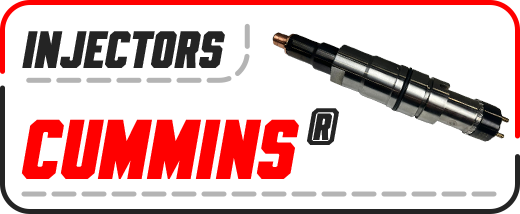
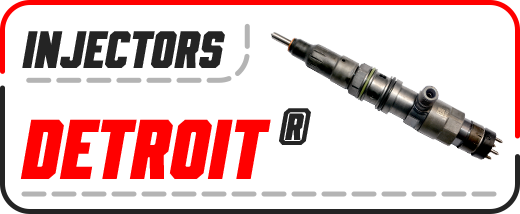
This symptom is especially common on high-mileage Cummins, Duramax, Power Stroke, Detroit, and Mercedes-Benz applications. However, do not condemn injectors without checking the basics. A restricted fuel filter, weak lift pump, air entering the supply side, low battery voltage, or poor cranking speed can create a similar hard-start complaint.
A healthy diesel idle is controlled and consistent. If the cab shakes, the engine hunts, or one cylinder seems to miss until the engine warms up, an injector may be delivering the wrong amount of fuel or spraying poorly.
A sticking nozzle, worn internal components, or a faulty injector solenoid or piezo element can affect cylinder contribution. The condition may be more noticeable cold because fuel atomization and combustion are less forgiving at low engine temperature. On some engines, a rough idle also points to low compression, a valve problem, or an intake leak, so use scan data and mechanical testing to confirm the cause.
A truck with a weak injector can feel flat during acceleration, towing, hill climbs, or loaded operation. One underfueling cylinder may not create a dramatic miss, but it reduces total engine output and can make the truck work harder for the same load.
Watch for power loss that comes with uneven acceleration, a surge, or a change in exhaust smoke. If boost pressure, air filtration, turbo operation, and fuel supply check out, injector performance should move higher on the diagnostic list. A low-power condition by itself does not prove an injector is bad. A failing turbocharger, clogged DPF, exhaust restriction, or fuel pressure issue can produce the same complaint.
Smoke color can offer a useful direction, but it is not a final diagnosis. Black smoke often means too much fuel, not enough air, or incomplete combustion. A leaking or overfueling injector can contribute to heavy black smoke, especially under load. A boost leak, restricted air filter, or turbo fault can do the same thing.
White or gray smoke may indicate raw or partially burned fuel, particularly during startup. A nozzle that dribbles instead of atomizing can cause this condition. White smoke can also come from coolant intrusion, low compression, timing issues, or a cylinder that is not reaching proper combustion temperature.
A sharp diesel-fuel odor at the tailpipe, eye-burning exhaust, or an increase in smoke after a cold start deserves immediate attention. Excess fuel does more than waste money. It can raise exhaust temperatures, contaminate oil, damage aftertreatment components, and create serious cylinder damage over time.
When fuel economy drops without a change in load, route, driving habits, or weather, injector performance is worth checking. Overfueling injectors can consume more fuel while still leaving the truck feeling underpowered because combustion quality has fallen off.
Check the engine oil level as well. If the oil level rises or smells strongly of diesel fuel, stop treating it as a minor maintenance issue. Fuel dilution reduces oil viscosity and bearing protection. Depending on the engine, the source may be an injector, injector seal issue, high-pressure pump problem, or a regeneration-related concern. An oil analysis can help confirm how serious the contamination is.
A professional scan tool is one of the fastest ways to narrow the diagnosis. Read active, pending, and stored codes before disconnecting parts or replacing components. Injector circuit codes, cylinder contribution faults, rail-pressure codes, and balance-rate readings can tell you where to focus.
On electronically controlled engines, review live data at idle and under the operating condition where the problem occurs. Useful data points include commanded versus actual rail pressure, injector balance or trim values, cylinder contribution results, fuel temperature, and engine speed during cranking.
A balance rate outside the normal range does not automatically mean that injector is defective. The ECM may be adding or subtracting fuel to compensate for a compression issue, mechanical problem, or another cylinder fault. Treat balance data as evidence, then verify it with additional tests.
Injector diagnosis should follow the fuel system installed on the engine. Common-rail systems, HEUI systems, and unit-injector designs do not fail or test in exactly the same way. The best repair starts with a test plan that matches the engine platform.
A return-flow test is highly effective for common-rail injectors. The test measures how much fuel each injector returns through its leak-off circuit during a specified time. An injector returning much more fuel than the others may have excessive internal leakage, making it a strong failure candidate.
Follow the engine manufacturer’s procedure for test time, temperature, and acceptable volume. Comparing containers is helpful, but a proper measured test is more reliable. One severely high-return injector can cause low rail pressure and hard starting. If all injectors return excessive fuel, look beyond the injectors to the pump, pressure-control system, or overall wear in the fuel system.
A scan tool cylinder cutout test temporarily changes or disables fueling to individual cylinders. The engine-speed change helps identify a weak cylinder. A cylinder that produces little change when cut out was likely contributing less power before the test began.
This is a useful diagnostic step, not a stand-alone injector test. A weak cylinder may have an injector problem, but it could also have low compression, a damaged valve, a broken rocker, or a mechanical issue. If the cutout test identifies one cylinder, inspect and test that cylinder further before ordering parts.
Before replacing injectors, inspect the old fuel filter and drain any water separator. Look for water, rust-colored debris, dark contamination, or metallic particles. Fuel contamination is a major cause of injector damage, and installing replacement injectors into a contaminated system can repeat the failure quickly.
If metal is found, do not take shortcuts. The high-pressure pump, rails, lines, tank, filters, and related components may require a complete contamination repair approach. Replacing only injectors in a metal-contaminated system is often an expensive temporary fix. That is where a contamination kit comes into play.
Injector harness failures can mimic a bad injector. Check connector locks, terminal tension, rubbed wiring, corrosion, and oil intrusion. Use the correct service information when testing resistance, voltage supply, and control circuits. Piezo injectors and certain electronic systems require specific test methods, and incorrect testing can damage components or produce misleading readings.
External fuel leaks around injectors, lines, or return fittings need immediate repair. Diesel fuel on a hot engine is a safety issue, and air entering the fuel system can cause hard starting and rough operation.
Also listen for abnormal combustion knock. A sharp, repetitive knock that changes with engine speed may come from an injector that is overfueling or has poor spray pattern. Do not confuse it with normal diesel clatter. Comparing cylinder cutout results can help determine whether the noise follows a specific cylinder.
On engines with injector hold-down hardware and sealing washers, combustion leakage may leave black carbon buildup around the injector bore. A chuffing sound, exhaust smell under the hood, or soot around an injector can indicate a failed seal rather than a failed injector itself. The repair still matters because leaking combustion gases can damage the injector seat and complicate removal.
Once testing supports injector replacement, match the part to the exact engine family, calibration, and part number. Similar-looking injectors may use different flow characteristics, connector styles, trim codes, or programming requirements. Installing the wrong injector can create rough running, codes, poor fuel economy, or engine damage.
Many late-model diesel injectors require coding or trim-code programming after installation. Skipping that step can prevent the ECM from compensating correctly for the injector’s calibrated flow characteristics. Use the proper installation hardware, new seals where required, clean fuel-system practices, and the correct torque procedure.
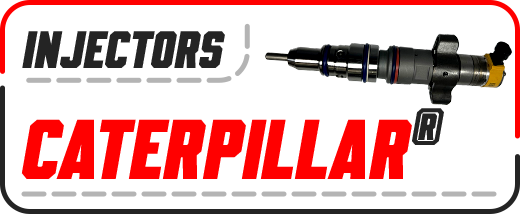
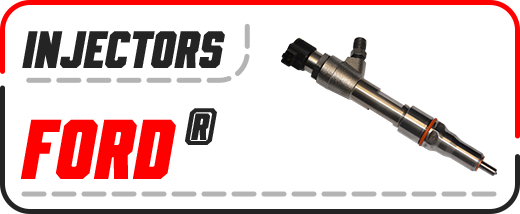
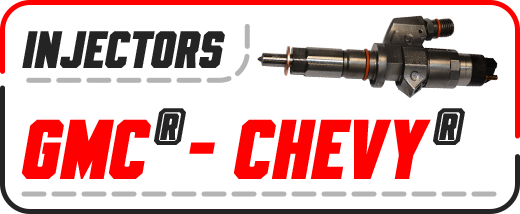
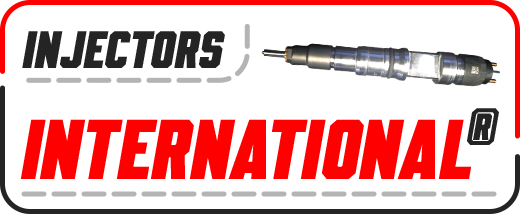
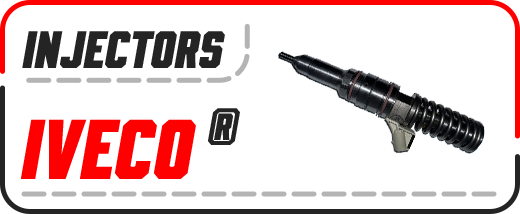
For fleets, repair shops, and owner-operators, a tested remanufactured injector can provide a cost-effective repair when it is built to the proper specification and backed by technical support. American Diesel Parts supplies tested diesel injectors for major heavy-duty and pickup platforms, with application-specific options that help keep repairs accurate and downtime under control.
Do not wait for one weak injector to become a burned piston, contaminated oil supply, or stranded truck. Test the fuel system methodically, correct the root cause, and put the engine back to work with parts that match the job.